
Open Cups, Straw Cups & Spoons Guide
Match feeding tools by checking ounce size (2 oz to 6 oz), 100 percent food-grade silicone specs, and dishwasher care. Start with narrow shallow training spoons and weighted anti-tip open cups. Inspect silicone straw tips and chew tools before each daily meal.
Compare Feeding Cups and Spoons by Measurable Specs
Shopping for toddler cups, adaptive spoons, and oral-motor tools is clear when you check physical specs. Look at ounce capacity, rim thickness, silicone softness, base weight, and dishwasher rating. ezpz specifies 100 percent food-grade silicone across its open cups, straw cups, tiny spoons, and suction mats[1]. Stage-sized cups match cup width to small hands without heavy spills[1].
Some families and speech therapists also stock structured oral-motor tools. TalkTools publishes graduated straw sets, chew tools, and feeding kits with clear part sizing[2]. Special Supplies lists non-food oral chew tubes and vibrating massagers with 6 silicone tips and 3 settings[3]. Every detail in this guide reflects saved maker product pages, with zero medical claims.
Check cup weight when filled with water. A 2 oz starter open cup stays light for small wrists. A 4 oz to 6 oz straw cup holds enough liquid for snacks without feeling bulky. Short silicone handles keep spoons balanced inside small palms.
Compare Open Cups, Straw Systems, and Spoons
| Tool Type | Typical Size | Material | Key Spec | Care |
|---|---|---|---|---|
| Starter Open Cup | 2 oz to 4 oz | Food-grade silicone | Weighted anti-tip base | Top-rack dishwasher |
| Straw Training Cup | 4 oz to 6 oz | Food-grade silicone | Removable lid + short straw | Dishwasher + straw brush |
| Starter Spoon | Narrow shallow bowl | Soft silicone core | Sensory bumps + guard | Dishwasher safe |
| Suction Mat | One-piece tray mat | 100% silicone | Flat seal on smooth trays | Dishwasher safe |
| Oral Chew Tool | T-shape or tube | Food-grade elastomer | Textured bite surface | Warm soap and water |
Soft food-grade silicone cushions gums and new teeth when toddlers bite down on a cup rim[1]. Weighted bases lower the center of gravity so open cups tip less often on trays. Short straws reduce liquid travel distance and rinse clean faster with a narrow straw brush[1].
Material Safety, Washing, and Replacement Checks
Verify three material labels on every feeding listing: BPA-free, phthalate-free, and PVC-free. Food-grade silicone handles warm dishwasher cycles without shattering on kitchen tile[1]. Skip scented dish pods on silicone utensils. Fragrance oils bind to silicone and leave a soapy taste. Use unscented liquid dish soap instead.
Inspect chew tubes, straw valves, and silicone brush heads before every meal. Special Supplies and TalkTools note checking oral tools regularly for wear[3][2]. Discard any piece that shows bite tears, cracks, or loose parts. In clinics and preschools, oral-motor tools stay strictly single-child items and are never shared.
Mealtime Seating and Routine Specs
| Factor | What to Check | Home Option | Clinic / Preschool Option |
|---|---|---|---|
| Foot Support | 90-degree knee angle | Adjustable chair footrest | Child-height birch chair |
| Tray Surface | Smooth vs. textured | Glossy high-chair tray | Wipe-clean laminate table |
| Time Cue | Minutes at table | 30-minute visual timer | Wall visual timer disk |
| Room Noise | Blender or dining noise | 85 dB kids headphones | Quiet corner seating |
Good seating posture supports steady utensil grip during meals. Guidecraft builds child-height birch chairs and tables scaled so kids can rest both feet flat[5]. Visual cues also help mealtime transitions stay calm. Time Timer makes a 30-minute MOD visual timer with a disappearing colored disk[4]. For wiggly school-age kids, Bouncyband chair bands loop onto front chair legs for quiet foot movement[6].
Busy kitchens and restaurants can feel loud for sound-sensitive kids. Puro Sound Labs kids headphones cap volume at 85 dB[7]. Portable weighted lap pads from Sensory Goods or Harkla add familiar lap weight during longer family meals[8][9]. Special Supplies foam pencil grips also translate well to thicker utensil handles when needed[3]. Start with one 2 oz open cup, one 4 oz straw cup, two narrow spoons, and one suction mat before adding specialty pieces[1].
Cup Rim Thickness, Diameter, and Grip Dimensions
Small physical measurements change how easily a toddler holds a cup. Check rim width in mm and base diameter in inches before ordering. A 2 oz starter open cup usually stands under 3 in tall and fits comfortably inside toddler palms. A 2 mm to 3 mm rounded silicone lip feels gentle on gums. Textured grip dots along the outer wall help wet hands hold steady without slipping[1].
Straw diameter also matters for thicker smoothies versus plain water. Narrow 4 mm straws work cleanly for water and milk. Wider 6 mm straws move yogurt blends without clogging. Always check whether the maker sells replacement silicone straws separately. Buying a spare 2-pack of straws extends cup life across multiple stages[1].
Compare spoon handle length in inches before adding utensils to your cart. Short 4 in handles keep leverage close to the toddler wrist. Long adult spoons lever food away from the mouth and cause extra tipping. Sensory bumps on the underside of the spoon bowl give clear tactile cues without sharp edges. Check whether the spoon core uses rigid nylon inside soft silicone so the handle does not flop under thick puree.
Organize home feeding gear in one dedicated drying rack bin. Keep clean chew tubes and oral-motor brushes separate from adult kitchen sponges. Fun and Function and Special Supplies also offer compact travel cases for carrying clean oral tools to restaurants or school[10][3]. Labeling each case with the child's name keeps daycare and preschool routines organized every day. Check shipping turnaround times before ordering backup straws or extra silicone spoon sets. Keeping two identical starter spoons on hand makes dishwasher rotation easy for busy families.
Four Common Feeding Gear Mistakes
- Starting with a heavy 10 oz cup: Heavy cups strain small wrists. Start with a 2 oz to 4 oz cup[1].
- Using scented dishwasher pods on silicone: Fragrance sticks to silicone. Wash with unscented liquid soap.
- Placing suction mats on rough wood tables: Suction seals best on flat, smooth high-chair trays[1].
- Keeping torn chew tools: Replace any silicone tip or chew tube at the first sign of bite tears[3].
Verified Picks From Live Store Catalogs
Pick rule: Verified food-grade silicone cups, starter spoons, and oral-motor tools in stock today with dated USD store prices.
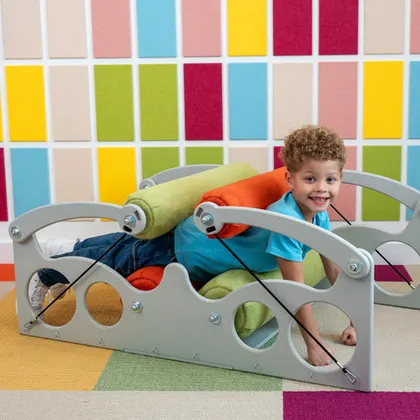
Double Squeezer - Brushed Suede
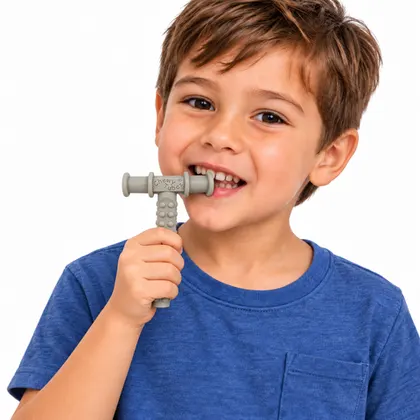
Chewy Tube Oral Motor Chew Tool – Grey
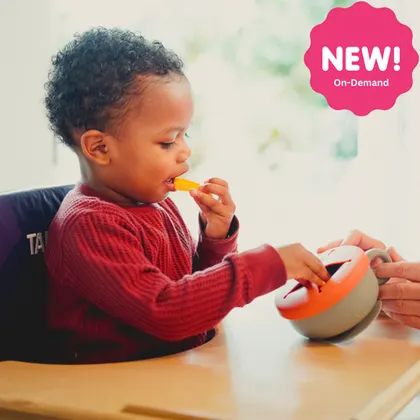
What You See in the Body is What You Get in the Mouth!
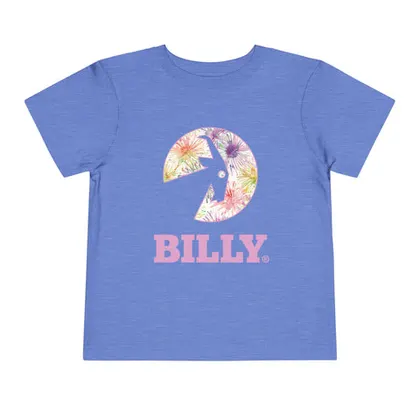
BILLY Toddler Short Sleeve Tee (Floral Logo) - AVAILABLE IN 3 COLORS
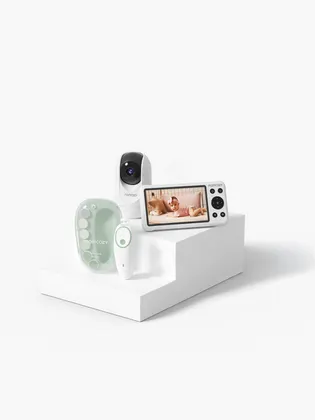
Smart Baby Monitor BM04 and and Nail File Bundle
Common Buyer Questions
Why do many feeding makers use 100 percent food-grade silicone?
Food-grade silicone is soft on gums, BPA-free, shatterproof if dropped, and handles warm dishwasher cycles.
What ounce size is typical for a starter open cup versus a straw cup?
Starter infant open cups usually hold 2 oz. Toddler straw training cups usually hold 4 oz to 6 oz.
Are silicone feeding cups and spoons safe for the dishwasher?
Yes. Most 100 percent food-grade silicone cups and spoons are top-rack dishwasher safe with unscented soap.
How do narrow-bowl training spoons differ from adult teaspoons?
Starter spoons have a narrower, shallower bowl scaled to a toddler mouth and a short thick handle.
What should I check before buying chewable oral-motor tools?
Check for BPA-free elastomer specs, inspect for bite tears before use, and never share oral tools between children.
Sources & Maker Specifications
- ezpz: ezpz Silicone Cups, Spoons & Feeding System Specifications. Read 2026-11-19.
- TalkTools: TalkTools Oral-Motor & Feeding Therapy Tool Specifications. Read 2026-11-19.
- Special Supplies: Special Supplies Stepping Stones, Swings & Fine-Motor Specifications. Read 2026-11-19.
- Time Timer: Time Timer Visual Countdown Timer Specifications. Read 2026-11-19.
- Guidecraft: Guidecraft Clinic & Classroom Sensory Furniture Specifications. Read 2026-11-19.
- Bouncyband: Bouncyband Active Seating & Classroom Gear Specifications. Read 2026-11-19.
- Puro Sound Labs: Puro Sound Labs Kids Volume-Limited Headphones & Earmuffs Specifications. Read 2026-11-19.
- Sensory Goods: Sensory Goods Weighted Blankets & Lap Pads Specifications. Read 2026-11-19.
- Harkla: Harkla Sensory Swings, Crash Pads & Weighted Gear Specifications. Read 2026-11-19.
- Fun and Function: Fun and Function Home & Clinic Sensory Equipment Specifications. Read 2026-11-19.